


Many athletes and runners understand the importance of consuming enough protein on a daily basis. When protein powder was introduced to the market in the 1950’s, it was widely popular among bodybuilders. Today, people from all walks of life utilize it daily — including runners.
As the name suggests, protein powders are concentrated sources of protein in powdered form. The protein will come from a variety of different plant-based and animal-based foods, allowing consumers to select the powder that best suits their needs.
Since there are so many kinds of protein powders on the market, finding the best one for a runner will depend on a variety of factors. Luckily for you, we’ll dive into all the juicy details below — including why runners need protein, what different types of protein there are, and which products are best.
Let’s get started!

What Does Protein Do To The Body?
Protein is an essential macronutrient that makes up nearly 16% of our body. Without protein, our body wouldn’t be able to function and maintain itself properly. While many people will get enough protein in their normal diet, some people will fail to do so and others will consume too much.

Since runners are more focused on maintaining lean muscle mass, they tend to shy away from protein. After all, protein is for body-builders, right?
Wrong. Protein will not directly result in larger muscle mass, nor will it lead to weight gain. When runners take the correct amount of protein, their bodies will recover and heal much quicker after a workout. Even further than that, protein is essential to a wide range of other body functions:
- Maintains the body’s acid-base balance
- Controls chemical reactions in the body
- Acts as a messenger from one body part to another
- Allows minerals and vitamins to enter and leave cells easier
- Transports oxygen throughout the body
- Helps with synthesis of muscle protein
- Bone remodeling
As you can see, protein is misunderstood by many Americans and misutilized by even more. It’s no wonder people see so many health issues arise from a lack of protein intake.
To make things complicated when it comes to protein, there are actually two main forms of protein — complete protein and incomplete protein. The difference between the two is simple, though. Complete protein will contain all 9 essential amino acids, where incomplete protein will only contain some.
The 9 essential amino acids are what make protein so valuable to our body. They are labeled “essential” because our body doesn’t produce it naturally. This means we must consume them through our diet or risk not getting it at all.
Let’s take a look at these 9 amino acids in complete protein:
- Phenylalanine – This amino acid plays a major role in mood management by producing tyrosine, which is essential to creating dopamine, serotonin, and norepinephrine. There’s the belief it can be used as an antidepressant.
- Leucine – Known as one of the BCAA’s that are essential to muscle repair and growth. Very popular among bodybuilders. Helps improve strength, increase muscle mass, stimulates protein synthesis, and create growth hormones.
- Valine – Known as one of the BCAA’s that are essential to muscle repair and growth. It helps turn glucose into energy, regulate blood sugar levels, and reduce fatigue when running.
- Threonine – Threonine plays a major role in creating collagen and elastin, which are important for skin health and tissue health. It’ll also help metabolize fats, maintain a healthy stomach and digestive system, and enhance our immune systems.
- Tryptophan – This amino acid is a precursor to both melatonin and serotonin. Together, these two help regulate mood, appetite, pain, sleep, and produce Vitamin B3.
- Methionine – This amino acid will contain sulfur and can help remove metals from our body, like mercury or lead. It’s essential for liver health and skin health, but you should make sure you don’t consume too much.
- Isoleucine – Known as one of the BCAA’s that are essential to muscle repair and growth. Very popular among athletes. Helps produce hemoglobin, converting glucose into energy, and regulating blood sugar.
- Lysine – This amino acid is essential for the immune system. It’ll help balance out the nutrients in our bodies, produce collagen, and can reduce anxiety and stress.
- Histidine – Histidine has antioxidant and anti-inflammatory properties and helps to repair nerve cell tissue. It’s also a precursor to histamine, a neurotransmitter that helps produce red blood cells.
These amino acids are known as the building blocks of protein. The easy way of determining whether you are consuming more complete or incomplete proteins is by checking the source. For the most part, complete proteins will come from animal-based foods, while incomplete proteins will come from plant-based foods.
So, how much protein do we need exactly?
The golden rule is to consume 0.4g of protein for every pound you weigh. For example, a 200-lb person should be consuming at least 80g of protein every day.
If you’re a runner, this number will increase to 0.7-0.8g of protein per pound of weight. For example, a 200-lb runner would want to consume around 150g of protein.
Different Types Of Protein Powders
If you’re considering adding protein powder to your daily diet, it’s important to understand all the different types of protein powder. Each powder will have its own set of pros and cons, which we’ll detail below.
When it comes to protein powder, you’ll find six major types — whey, soy, casein, pea, rice, egg, and hemp protein. Let’s dive in!
Whey Protein
This is likely the protein most people have heard of. Whey protein is an animal-based protein. Aside from being the most popular, it’s also one of the few complete proteins — meaning it contains all 9 essential amino acids listed above. You will normally find whey protein in several forms — concentrate, isolate, and hydrolysate.
- Concentrates – These are the cheapest whey proteins because it’ll contain the least amount of protein per 100g (about 60-85% protein). They can be hard to digest for some people.
- Isolates – These are a bit more expensive, but will contain upwards of 90-95% protein and are absorbed by the body much easier. Use isolates for building lean muscle.
- Hydrolysates – Will normally contain 99% protein and will be absorbed even quicker by the body. Some might find the taste hard to manage, though.
For runners that are looking at whey protein, I would suggest going for a hydrolysate. If you can’t mask the taste, go for an isolate over a concentrate. When it comes to whey protein, there’s a reason it’s the most popular.
Soy Protein
Soy protein is an excellent option for those looking for a plant-based protein powder. As the name suggests, it is made from soybeans. What makes this protein powder attractive to many is that it’s one of the only plant-based proteins that will contain all nine essential amino acids.
Still, some people will shy away from soy protein for ethical reasons. The soybeans used are genetically modified, which goes against some people’s beliefs. The main downside to soy is it will contain less leucine than whey protein powder.
Casein Protein
This type of protein powder is most popular for weight loss. It’s an animal-based protein extracted from milk created from water-insoluble vitamins. Many people prefer casein protein because it will make you feel fuller than the other protein powders.
One of the downsides to casein protein is how thick it is, making it difficult to break up in a shaker. If you’re looking for something that will take a long time to break down in the body, this is the protein for you.
Rice Protein
Made from brown rice, rice protein is an incomplete protein source. It’ll also contain more carbohydrates and less lysine than the other types of protein powders. One of the main benefits of rice protein is how easily digested it is in the body.
While it is an incomplete protein, some powders will combine rice protein with pea protein, making it a complete protein powder. This can be a good option if whey or soy aren’t cutting it for you.
Pea Protein
Pea protein is a plant-based protein that is also incomplete. Many people will choose this protein if they have allergies keeping them away from soy, gluten, and lactose. It’s also popular among vegans and vegetarians.
This type of protein will be absorbed easily by the body and will give you a solid amount of protein per serving.

Egg Protein
This type of protein powder will typically be one of the more expensive options. It’s created by separating the yolk from an egg and dehydrating the whites. Because it uses eggs, this is an animal-based complete protein.
Egg protein will also include a variety of vitamins and minerals that will increase the value in your powder. If you’re trying to avoid the milk in whey or are allergic to soy, egg is a good option for you.
Hemp Protein
As you may have guessed, hemp protein is made from hemp seeds. Because of this, there will be a bit of an earthy taste to them. At the same time, they will come packed with omega-3 and omega-6 fatty acids, further improving your immune system.
Because it’s a plant-based protein, it won’t contain all 9 essential amino acids. It will be digested easily, however.
Best Protein Powders For Runners
As a general rule of thumb, you should only supplement with protein powder if you’re having difficulty consuming enough protein throughout the day. In the event you are having difficulty, protein powder can give you that boost you need throughout the day in-between a meal — or when a meal seems so far away!
Impact Whey Isolate
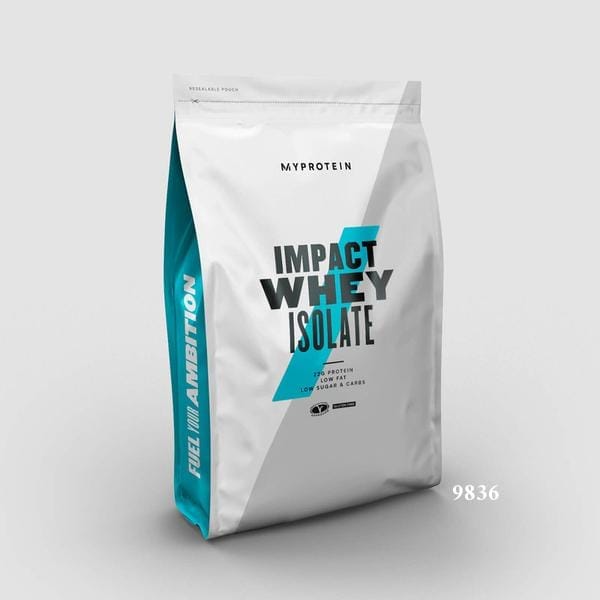
Since a lot of runners won’t be looking to gain muscle mass, I would stay away from the whey protein. If you do go with a whey, try to target an isolate or hydrolysate.
Impact Whey Isolate is an excellent product that contains 90% protein content. It is an animal-based protein made from cows and will have 22g of protein per serving. It’ll also be low in carbs, fat, sugar, and contain just 90 calories per serving.
Impact will come in a variety of flavors, including chocolate brownie, chocolate smooth, chocolate mint, cookies and cream, mocha, salted caramel, strawberry cream, vanilla, and unflavored. You can get a 2.2lb bag for $40, which will set you up for a little over a month.
GET THE BEST PRICE ON IMPACT WHEY ISOLATEGold Standard 100% Casein Protein

If you are running to lose weight, casein protein can be a great option. Due to it breaking down slowly and making you feel full, it’ll be great as a meal replacement.
Optimum Nutrition’s Gold Standard is a great choice — and they even have a variety of other protein powders including whey, soy, and other plant-based ones. Keep in mind, casein will contain milk and soy.
In this one, you’ll receive 26g of protein per serving. It has 280mg of sodium, but also comes with calcium and iron. A 2lb tub will cost around $30 and will last about a month. There are 7 flavors available: Banana Cream, Chocolate Supreme, Cookies & Cream, Creamy Vanilla, Mint Chocolate Chip, and Chocolate Peanut Butter.
GET THE BEST PRICE ON GOLD STANDARD 100% CASEIN PROTEINVega Sport Premium Protein Powder

If you’re looking for a good plant-based protein outside of soy — since many people are allergic to soy — try a protein powder using a combination of plant-based proteins. This combination will give you a complete protein without the use of animal-based protein.
Vega Sport Premium Protein Powder is a powerful plant-based protein combination that uses pea, pumpkin seed, organic sunflower seed, and alfalfa protein. One serving will give you 30g of protein, but also 400mg of sodium. Calcium, iron, and potassium will also be present.
The downside is it will run a little expensive. A 45-serving tub will cost around $85 and will come in a variety of flavors — chocolate, mocha, vanilla, berry, and peanut butter.
GET THE BEST PRICE ON VEGA SPORT PREMIUM PROTEIN POWDER


