


Probiotics have gained considerable attention recently for their extensive health benefits, particularly for gut health. But did you know these beneficial microorganisms can also support skin health?
If you struggle with acne, you understand its impact on mental well-being. While any skin condition can affect self-esteem, acne is especially common and brings both emotional stress and physical discomfort. So, how exactly can probiotics help?

What Are Probiotics?
Our bodies contain trillions of microbes that perform essential functions throughout our body systems. Often called “good bugs” or “gut flora,” these microbes comprise a diverse population of viruses, bacteria, and fungi living primarily within the digestive tract, though they also inhabit other areas of our body and skin. This diverse community, known as the microbiome, has been extensively studied for its beneficial effects on gut health, immune function, brain health, cardiovascular health, and more.
To optimally support your microbiome, experts recommend consuming probiotic and prebiotic food sources. Probiotics are foods containing live microorganisms that enhance the diversity of your gut flora. Excellent probiotic sources include fermented foods such as yogurt, kefir, kimchi, miso, and sauerkraut.

Prebiotics consist of indigestible fibers that serve as food for probiotics. Quality prebiotic sources include chicory root, dandelion greens, Jerusalem artichoke, garlic, and onions. You can also choose probiotic and prebiotic supplements if incorporating these foods into your diet proves challenging.
What Causes Acne?
Acne develops when skin pores become blocked with oil, bacteria, or dead skin cells, creating inflamed pustules commonly called pimples, zits, or blemishes. Those at higher risk of developing acne include:
- Oily skin type
- Hormonal changes including puberty and pregnancy
- History of endocrine conditions
- Certain medications
- Family history of acne
- Poor sleep
- High stress
- Using products that contain oils on their skin
- Poor diet

Acne is an extremely common skin condition in America. While it doesn’t pose health risks, it can be quite uncomfortable and may result in scarring.
Can Probiotics Help with Acne?
Emerging research suggests probiotics may play an important role in skin health. Just as our gut microbiome requires diverse intestinal flora for optimal health benefits, our skin also hosts various bacteria—some beneficial, others harmful. The key lies in achieving the right balance.

While more research is needed on optimal probiotic use for balancing skin bacteria and treating conditions like acne, some experts believe topical probiotics may prove most effective. Unfortunately, over-the-counter probiotic supplements may not address your skin concerns. In this case, discussing possible topical probiotic treatments with your dermatologist is advisable.
Another promising approach involves dietary modifications to control skin conditions. Certain foods negatively impact skin health, including processed foods, refined carbohydrates, and dairy products. Instead, focusing on skin-supporting foods may benefit some individuals. These include foods rich in omega-3 fatty acids, vitamin E, fruits, vegetables, probiotics, and prebiotic sources.
Probiotic and prebiotic supplements may help some individuals treat acne by reducing inflammation. Results appear most promising for those with inflammatory acne. Additional research indicates that combining oral supplements with topical treatments may effectively address certain acne forms.
Effective acne treatment requires identifying your specific acne type. Someone experiencing hormonal acne may need different treatment than someone whose acne stems from skincare products. If you’re uncertain about your acne type or its underlying cause, consider consulting your dermatologist to develop an appropriate treatment plan.
Can Probiotics Cause Acne?
While most probiotics are considered beneficial and unlikely to worsen skin conditions, some research has linked certain probiotics to increased acne incidents. For instance, insulin-like growth factor 1 (IGF-1) is believed to contribute to acne development. Some probiotic strains modulate IGF-1, potentially influencing acne formation. However, other studies suggest probiotics help regulate IGF-1 and reduce acne occurrences. Additional research is needed to fully understand this relationship.
Best Probiotics for Acne
Given current knowledge gaps, emphasizing dietary probiotics and prebiotics over supplements is recommended when addressing acne. For those unable to obtain adequate amounts through food due to allergies, preferences, or access limitations, probiotic supplements can be beneficial.
When selecting a probiotic supplement, choose high-quality products from reputable manufacturers. To maximize supplement effectiveness, look for probiotics containing billions of colony-forming units (CFUs). This represents the number of beneficial, viable cells in your product—higher numbers are better. Research suggests probiotics should ideally contain 1 million CFUs per gram to survive digestion.
Selecting probiotics for skin health mirrors choosing ones for gut health, as both areas have the most supporting research. Some studies suggest Lactobacillus Acidophilus may be particularly beneficial for skin health, while others recommend strain combinations. Consider these highly-rated probiotics if your doctor recommends supplementation:
Align Probiotic Extra Strength Capsules

Align is a trusted probiotic brand that doesn’t require refrigeration like most probiotics. It contains 5 billion CFUs at manufacture date and 50 million through the “best by” date. The formula includes Bifidobacterium longum 35624, a well-researched strain extensively studied for digestive health benefits. You can purchase this product from Amazon for $49.97 for 42 capsules.
Garden of Life Once Daily Probiotic Capsules
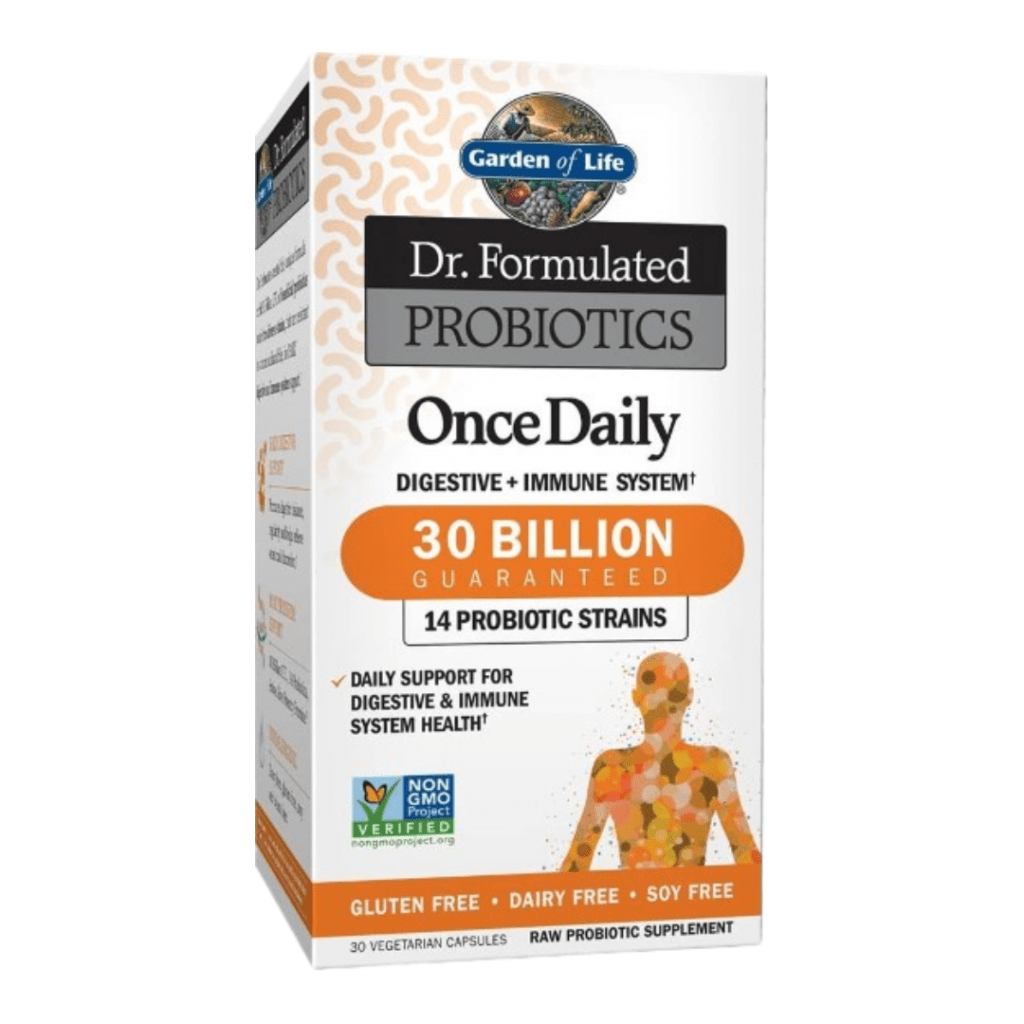
For dairy-free or vegan options, Garden of Life Once Daily Probiotic capsules are excellent choices. This product features 14 different probiotic strains plus a prebiotic fiber blend. It contains 30 billion CFUs with guaranteed potency through the “best by” date. This product requires refrigeration. Find Garden of Life probiotic capsules and other Garden of Life products on their official website or Amazon for $23.09 for 30 capsules, making it budget-friendly.
NOW Probiotic-10 25 Billion Capsules

Now Probiotic Capsules are dairy-free and contain 10 different probiotic strains. This product provides 25 billion CFUs guaranteed through the “best by” date. It’s ideal for people with food allergies since it’s processed in an allergy-free facility. NOW probiotics are also certified by Underwriters Laboratory for third-party testing to ensure product quality and purity. Purchase NOW probiotic capsules on Amazon for $25.99 for 100 capsules.
Always consult your doctor or healthcare provider before adding probiotic supplements to your routine.
Conclusion: Probiotics for Acne
If you’re struggling with acne, consider whether probiotics might benefit your situation. Skin bacteria function similarly to gut bacteria, with both beneficial and harmful organisms. To treat or prevent acne, maintaining a healthy balance of these microorganisms is crucial. While more research is needed on probiotic acne treatment based on type and underlying cause, most experts believe dietary or supplemental probiotics may prove helpful. Before self-treating with probiotics, discuss your condition with your dermatologist and healthcare provider to determine the most appropriate treatment approach.


