

Vegetarian diets have surged in popularity over the past decade. Whether driven by environmental concerns, health goals, or compassion for animals, plant-based eating continues to gain momentum. Even non-vegetarians are embracing trends like Meatless Mondays or choosing Beyond burgers when dining out.
Whatever motivates your interest in vegetarian eating, it’s crucial to understand potential nutrient gaps that can emerge when eliminating animal products. Below we’ll explore essential vitamins and minerals for vegetarians, but first, let’s examine why these nutrients matter.
The Importance of Vitamins and Minerals
Vitamins and minerals collaborate in our bodies to perform countless essential functions. Without adequate levels, health suffers dramatically. Vitamin deficiencies can trigger increased infections, bone abnormalities, anemia, neurological issues, blood clotting disorders, and more.

Fortunately, many essential nutrients are difficult to become deficient in thanks to modern advances like food fortification and enrichment. For those with allergies, intolerances, or dietary restrictions that increase deficiency risk, daily multivitamins help bridge nutritional gaps.
Still, consuming diverse, nutrient-dense whole foods remains the gold standard—think fruits, vegetables, whole grains, beans, legumes, nuts, seeds, lean meats, and dairy. This approach provides the most bioavailable forms of vitamins and minerals and should be prioritized whenever possible.
Vitamin and Mineral Sources – Food vs. Supplement
As noted above, the most bioavailable vitamins and minerals come from whole foods—particularly fruits, vegetables, whole grains, beans, legumes, nuts, seeds, lean meats, and dairy products. Incorporating variety from these food groups maximizes your chances of achieving optimal nutrient levels without supplementation.
While supplements can help fill dietary gaps, they shouldn’t replace a balanced diet. Research suggests that many supplemental forms may be less bioavailable than food sources, limiting their effectiveness. Therefore, supplements should complement, not substitute for, nutritious eating.
Common Vitamin Deficiencies for Vegetarians
Vegetarians face higher risks of certain nutrient deficiencies compared to meat-eaters. Here are the key nutrients to monitor:
Vitamin B12
Vitamin B12 plays a vital role in metabolism and nervous system health. Since B12 is primarily found in animal products, vegans and vegetarians face elevated deficiency risks.
Boost your B12 intake through fortified foods like plant milks, soy products, or cereals, or consider a B12 supplement. Vegetarians can also consume dairy and eggs for additional B12. If you’re uncertain about your B12 status, ask your healthcare provider to test your levels.
Vitamin D
Essential for calcium and phosphorus absorption, vitamin D supports numerous bodily processes. Vitamin D deficiency affects many Americans, not just vegetarians.
While small amounts exist in foods, most vitamin D comes from sun exposure. Aim for 15 minutes of midday sun without sunscreen when rays are strongest. You can also choose fortified foods to increase intake. Discuss testing with your healthcare provider if you suspect low levels.
Iron
Iron transports oxygen through our bloodstream and supports many vital functions. Iron deficiency (anemia) causes weakness, fatigue, and compromised immunity. While found in both plant and animal sources, iron from animals absorbs more readily.
Plant-based iron sources include beans, peas, nuts, seeds, cruciferous vegetables, and dried fruits. Fortified breakfast cereals, enriched bread, eggs, and dairy also provide iron. Pairing iron-rich foods with vitamin C enhances absorption—try berries with your yogurt.
Zinc
Zinc supports immune function and cellular health but is primarily found in animal products. Plant sources containing zinc may have limited absorption due to phytates. Zinc-rich plant foods include whole grains, nuts, seeds, and legumes. Soaking legumes, nuts, and seeds reduces phytate content and improves absorption.
Best Vitamins For Vegetarians
When selecting supplements, prioritize well-researched, comprehensive formulas from trusted manufacturers. Since some vegetarians avoid all animal products, choosing vegan supplements ensures alignment with your dietary principles.
Here are top-rated vegetarian-friendly supplements:
- Deva Vegan Daily Multivitamin and Mineral Supplement – Contains 18mg iron, 20 mcg vitamin D2, 100 mcg vitamin B12, and 14mg zinc without any animal products. Includes various other essential nutrients for comprehensive coverage. A 90-count two-pack costs $21.43 on Amazon, making it budget-friendly, though the pills are large.
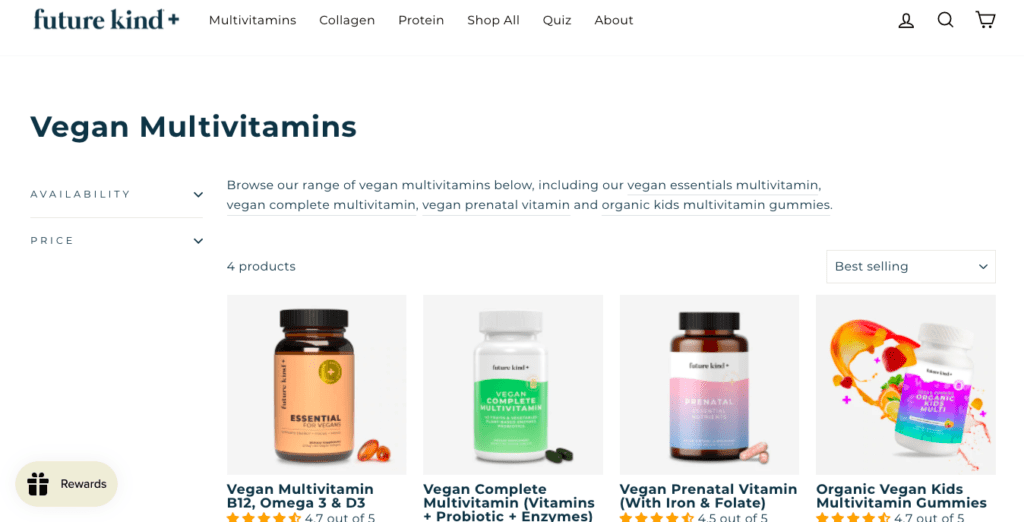
- Future Kind Multivitamin – Features 50 mcg vitamin D3, 400 mcg vitamin B12, and omega-3 fats—another nutrient commonly lacking in vegetarian and vegan diets. Each serving consists of two small, easy-to-swallow soft gels. A 30-count package costs $29.95 from futurekind.com.
- Mary Ruth’s Liquid Multi – Perfect for those who dislike pills. This vegan, non-GMO, sugar-free supplement is free of common allergens and contains 20mcg vitamin D3, 12 mcg vitamin B12, and 1mg zinc. A 32-fluid ounce bottle costs $39.95 on Amazon and comes in various flavors for enhanced palatability.
Top Rated Product
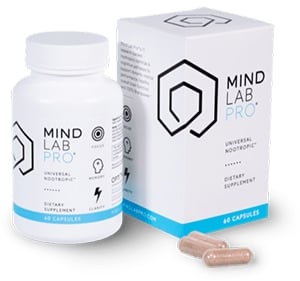
Mind Lab Pro
Mind Lab Pro is an all-natural supplement designed to promote focus and alertness.
- All natural formula
- Contains 11 well-researched ingredients
- Boosts energy, focus, and mental alertness
Bottom Line
Following a vegetarian diet doesn’t guarantee nutrient deficiencies, but it does increase certain risks—making awareness crucial. If you’re concerned about deficiencies, consult your healthcare provider about testing. For added security, consider one of the supplements mentioned above. Always discuss new supplements with your doctor before starting.


