


Our bodies require numerous nutrients to maintain optimal health. We need vitamin C, vitamin D, fiber, and many others. Another crucial mineral is iodine. Iodine is an essential mineral required for proper bodily function. The thyroid gland uses iodine to produce thyroid hormones. These hormones play vital roles in our metabolism, growth, and development. Since our body cannot produce this mineral, it’s considered essential and must be obtained through diet.
Iodine deficiency is relatively common among pregnant women and can cause brain damage in infants. Iodine plays a crucial role in brain development, so insufficient levels can lead to mental retardation and irreversible neurological damage. Additionally, iodine cannot be stored long-term, so although we don’t need large amounts, we must obtain adequate iodine regularly in smaller doses. The widespread use of iodized salt and supplements has helped ensure sufficient iodine levels in the population.
What Are the Different Types of Iodine Supplements?
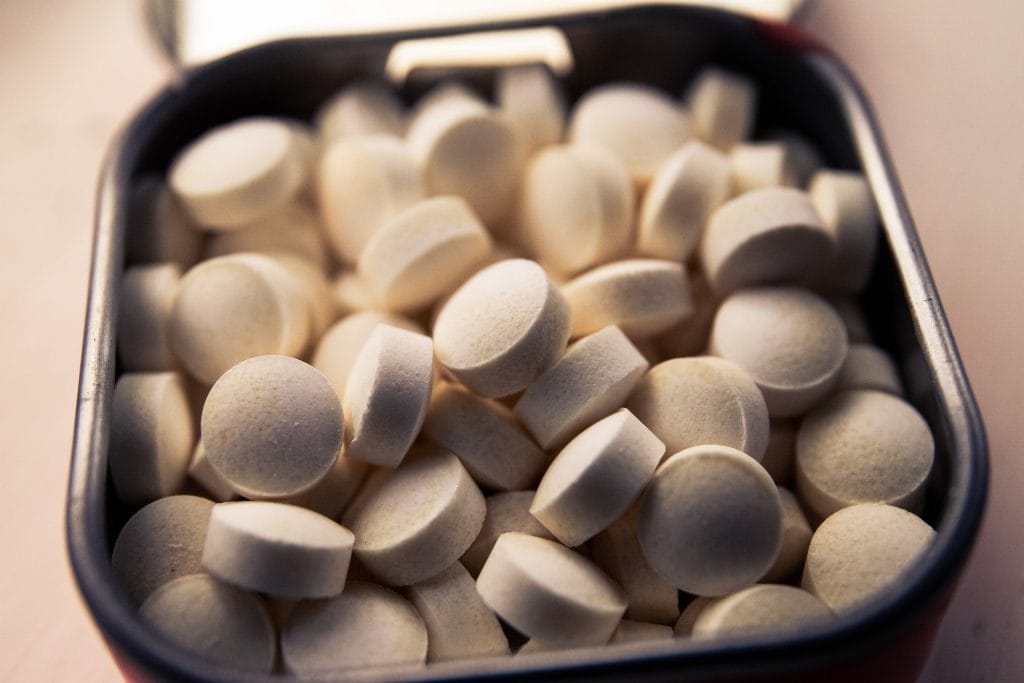
Two common forms of iodine exist: elemental iodine and ionic iodide. Elemental iodine should never be ingested or applied to skin alone, as it’s corrosive and dangerous. Ionic iodide is the naturally occurring form of iodine that can be safely ingested and applied topically. In supplements, iodine typically appears as potassium iodide or sodium iodide, creating an iodide salt—an ionic iodide safe for consumption and application.
Iodine Supplement Benefits
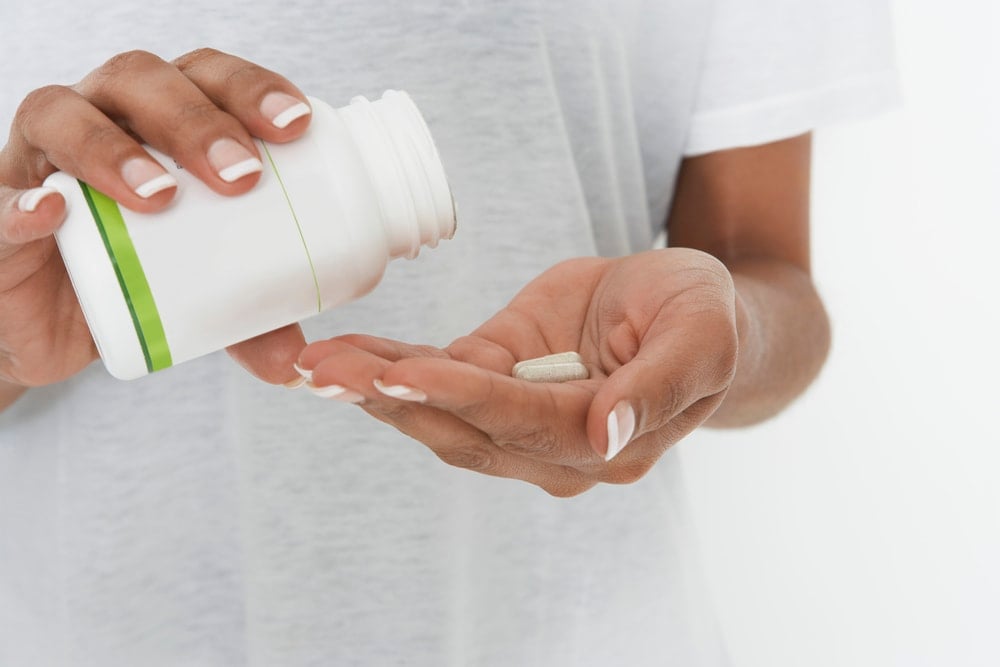
While we don’t need large amounts of iodine, it’s vital for overall health. Here are the key benefits of adequate iodine levels:
- Proper thyroid health
- Weight management
- Normal brain development
- Prevents permanent brain damage and mental retardation in infants and children
- Reduces risk of goiters (enlargement of the thyroid gland)
- Treats thyroid cancer
- Aids in healthy cognitive function
- Helps treat infection
- Treats exposure to harmful radiation
These benefits highlight iodine’s essential role in the body. Without adequate iodine, we may develop underactive thyroid, hormonal imbalances, weight gain, goiters, developmental delays, brain damage, and cognitive deficits.

Should I Take Iodine Supplements?
While iodine is essential, excessive intake can cause toxicity symptoms like nausea, vomiting, fever, diarrhea, stomach pain, and potentially coma. Always consult your doctor before taking iodine supplements, especially if you have a thyroid condition.
Iodine supplements are usually unnecessary in developed countries. Therefore, supplementation is typically only recommended based on urine testing for iodine levels. If you experience any of these symptoms, consult a doctor as you may have an iodine deficiency:
- Unintentional weight gain
- Hair loss
- Fatigue
- Trouble swallowing
- Depression
- Goiter (enlarged thyroid gland)
- Painful or tender thyroid gland when touching
- Feelings of extreme coldness
Do Iodine Supplements Really Help?
Iodine supplements are typically unnecessary unless testing reveals an iodine deficiency and low levels. In such cases, supplementation can be highly beneficial. Clinical studies show iodine supplements effectively treat goiter, fibrocystic breast disease, thyroid disorders, radiation exposure, and promote wound healing.
Iodine has also proven effective at regulating thyroid hormone levels and eliminating harmful microorganisms like bacteria and fungi. It’s frequently used for water purification as well.
Best Iodine Supplements
1 Body Thyroid Support with Iodine

This highly-rated product receives excellent consumer reviews. It’s shown to boost energy levels, enhance focus and mental clarity, and support healthy weight management. The formula combines essential vitamins like zinc, copper, selenium, and iodine with beneficial herbs and adaptogens like ashwagandha.
J. Crow’s Lugol’s Iodine Solution

This highly-rated liquid formula offers convenient dosing and consumption. It’s commonly used for water purification and boasts the lowest heavy metals content available.
Life Extension Sea Iodine

This product delivers 1000 mcg of sea iodine derived from organic sea algae. It receives high consumer recommendations and serves as an excellent vegetarian iodine supplement option.
Iodine Supplement Alternatives
Dietary sources typically provide sufficient iodine levels. Iodized salt—table salt fortified with iodine—is widely available in the United States and helps meet daily iodine needs. Consider including these iodine-rich foods in your diet:
- Cod
- Tuna
- Seaweed
- Shrimp
- Most seafood varieties
- Eggs
- Dairy products (milk, cheese, yogurt)
- Bread and cereal (often fortified)
- Strawberries
- Watercress
- Green beans
- Kale
Iodine And Your Health
Iodine remains essential for optimal health. Without adequate iodine, thyroid function suffers and brain development is compromised. While we don’t require large quantities, we should obtain sufficient iodine from dietary sources—seafood and seaweed being the richest options. Occasionally, doctors may test iodine levels and prescribe supplements when necessary.
Iodine is particularly critical for pregnant women, as this mineral supports proper fetal brain growth and development. Pregnancy-related iodine deficiencies often result in mental retardation and lifelong cognitive impairments. Iodine also treats radiation exposure and purifies water sources. Ensuring adequate dietary iodine is crucial—if you experience deficiency symptoms, consult your doctor promptly.


