

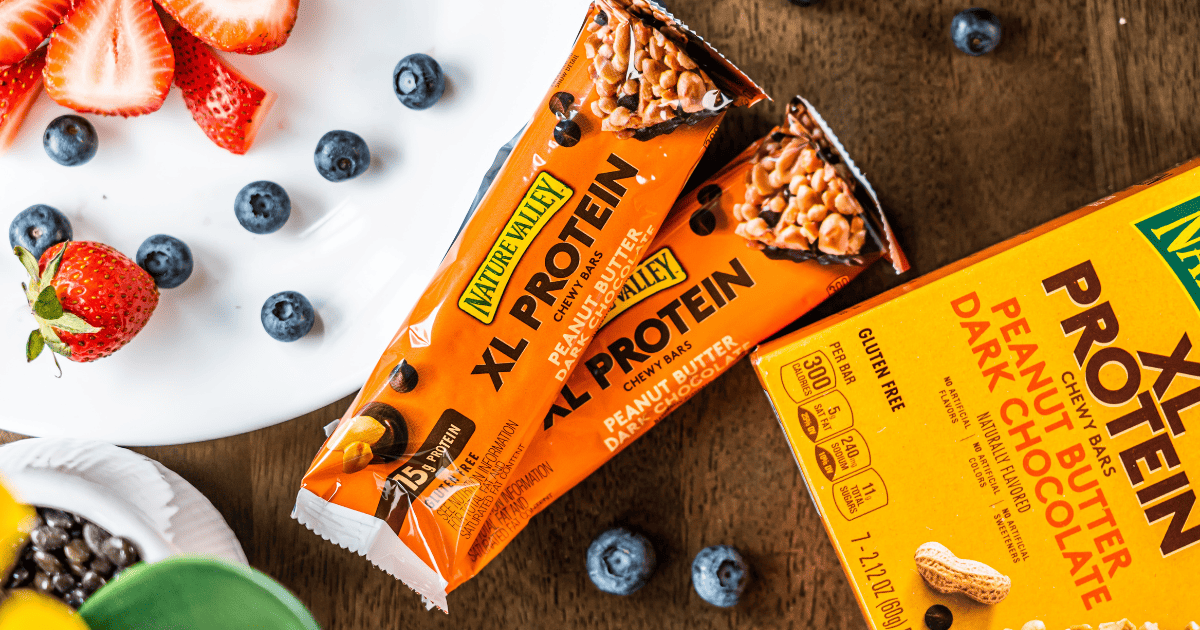
Are you constantly on the move yet committed to maintaining a healthy lifestyle? Do you frequently reach for protein bars as quick snacks or meal replacements? If so, you’re in good company.
Protein bars have become dietary staples for health-conscious individuals, athletes, and busy professionals seeking convenient, nutritious options.
But have you wondered when exactly is the optimal time to eat a protein bar? Should you consume one before or after a workout? Can they truly replace a full meal?

In this post, we’ll explore the world of protein bars and provide the information you need to make informed decisions about incorporating them into your diet.
When to Eat Protein Bars: A Guide to the Ideal Timing
Protein bars have earned their reputation as popular snacks – and for good reason. But when is the optimal time to consume one? Here’s a comprehensive guide covering every scenario.
Using Protein Bars to Stave Off Hunger
We’ve all experienced it – hunger strikes mid-day, and you need a quick snack to tide you over until your next meal. This is where protein bars shine. They’re excellent for curbing appetite and providing sustained energy to power through your day.
If you frequently find yourself in this situation, the ideal time to eat protein bars as hunger-fighting snacks is between meals. Consume them mid-morning or mid-afternoon when hunger pangs begin.
Generally, most protein bars serve as superior alternatives to unhealthy snacks like chips or candy that can leave you sluggish and unmotivated.
Protein Bars as Meal Replacements
Using protein bars as meal replacements remains a debated topic. Some view it as a quick, effortless way to obtain essential nutrients without cooking, while others consider it inadvisable.
The truth is, protein bars can serve as healthy and convenient meal replacements – but only when used properly.
For instance, when you’re rushing and lack time to prepare a meal, a protein bar can deliver the nutrients needed to sustain you (rather than grabbing a greasy gas station cheeseburger). However, they shouldn’t replace every meal, as they may not provide all necessary nutrients (particularly vitamins and minerals) your body requires.
Bottom line: using a protein bar as an occasional meal replacement is perfectly acceptable, but don’t rely on it every time hunger strikes.
Using Protein Bars to Get More Protein in Your Diet
Protein is crucial for muscle growth and repair, making it vital for anyone wanting to build or maintain muscle mass. Consuming 20-30 grams of protein every three to four hours is an excellent target, and protein bars can help you achieve this goal.
Remember that these numbers will vary depending on your age and activity level. Generally, you should aim for just over 7 grams of protein for every 20 pounds of bodyweight.
The optimal time to eat protein bars for increasing protein intake is before or after workouts (more on this shortly!).
Consuming protein before exercise can fuel your workout session, while eating protein afterward helps repair and build muscle tissue.
Using Protein Bars as a Sweet Treat
If you have a sweet tooth, protein bars offer a delicious alternative to unhealthy desserts. They come in numerous flavors, including chocolate, peanut butter, and vanilla, making them tasty and guilt-free treats.
The ideal time to eat protein bars as sweet treats is after dinner. This can help curb cravings for unhealthy sweets and provide your body with nutrients needed to repair and rebuild muscle during sleep.
Using Protein Bars After Exercise
One of the most beneficial times to eat protein bars is after workouts. Consuming protein post-exercise helps repair and rebuild muscle tissue, leading to faster recovery and increased muscle growth.
Ideally, consume a protein bar (or generally 10-20 grams of protein) within 30 to 60 minutes after exercising to maximize benefits. This window is when your muscles are most receptive to nutrient uptake, making it the perfect opportunity to fuel recovery.
Benefits of Protein Bars
So why choose a protein bar over other high-protein snacks? Here are the key advantages.
Convenience
One of the most significant benefits of protein bars is their unmatched convenience. Finding time to constantly prepare meals is challenging, especially when you’re always on the move. With protein bars, you can quickly satisfy hunger without extensive meal prep.
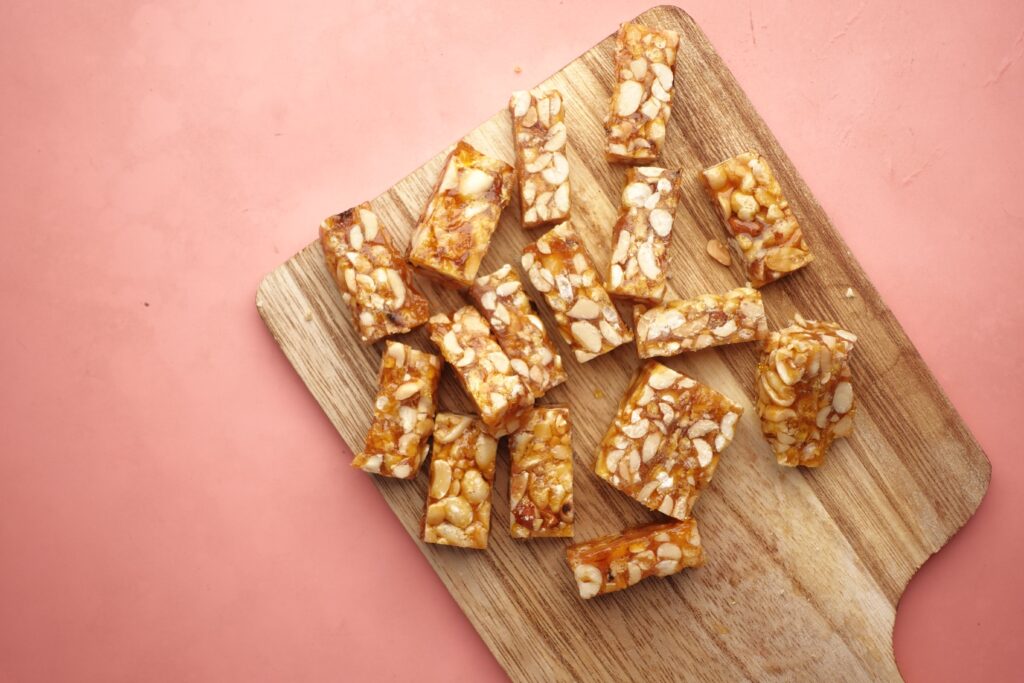
Their compact size makes them highly portable; you can take them to the office, gym, or anywhere you go. They’re also travel-friendly, eliminating concerns about finding healthy food options on the road.
Taste
Many people struggle to maintain diets due to limited food options – constant restrictions can feel overwhelming!
However, protein bars come in an extensive range of flavors, making it easy to find options that match your unique taste preferences. They can be sweet or savory, crunchy or chewy, mild or bold.
With numerous options available, you’re certain to find favorites. Plus, they’re excellent alternatives to traditional candy bars, which are loaded with sugar and unhealthy additives.
Muscle Growth
Protein is an essential macronutrient crucial for muscle development.
During exercise, your muscles sustain damage, and protein is required for repair and recovery. Protein bars provide a convenient way to fuel your body with the protein needed to repair muscles after workouts.
Most protein bars contain whey protein, one of the highest-quality protein sources available. It’s rich in branched-chain amino acids, which are essential for muscle growth and recovery.
Nutritional Value
Many protein bars are also fortified with essential vitamins and minerals your body needs to function optimally.
Some contain vitamins A, C, E, and K, plus minerals like calcium, iron, and zinc. These nutrients are vital for maintaining a robust immune system, strong bones, and overall wellness.
Additionally, many protein bars are low in sugar and free from artificial sweeteners, making them healthier choices than traditional candy bars.
May Help With Weight Loss
Protein bars may also support weight loss efforts. They’re low-calorie snack options that can help curb appetite and prevent overeating. When hunger strikes, it’s tempting to reach for unhealthy snacks high in calories and sugar.
However, protein bars can help you feel satiated longer, reducing the likelihood of reaching for unhealthy options. Additionally, the protein in these bars can boost metabolism, leading to increased calorie burn.
Choosing the Best Protein Bars for Your Needs
With countless options available on the market, selecting the best protein bars for your needs can feel overwhelming. Here are some essential guidelines.
Look at the Calorie Count
First consider the calorie count when evaluating protein bars. While they’re excellent and convenient protein sources, they can contain surprisingly high calories. A 300-calorie protein bar might seem appropriate for meal replacement, but if you’re snacking on these between meals, those calories accumulate rapidly.

When selecting protein bars for your needs, examine the calorie count and ensure it aligns with your daily caloric intake goals.
Considering the Macros of a Protein Bar
Beyond calories, examine the macronutrient (macro) profile of protein bars. Macros include protein, carbohydrates, and fats, all essential for optimal body function.
A quality protein bar should provide approximately 15 to 20g of protein per 60g bar, equivalent to 75% of the recommended daily intake for an average adult male.
Also consider the carbohydrates and fats in the bar. Ideally, carbohydrates should come from high-fiber sources, and fats should be healthy unsaturated varieties like those found in nuts, seeds, and avocados.
Considering the Quality of Ingredients in a Protein Bar
Finally, evaluate the ingredient quality in protein bars. Many contain lengthy ingredient lists, including added sugars, artificial flavors, and preservatives. Look for protein bars with clean ingredient profiles that use whole foods as primary components.
Ingredients like nuts, seeds, whole grains, and fruits are excellent sources of protein, fiber, and healthy fats and should be prioritized in ingredient lists.
Similarly, bars with minimal added sugars will help you avoid blood sugar spikes and crashes throughout the day.
Best Times of Day to Consume Protein
Some studies demonstrate that consuming high-protein breakfasts can support weight loss and muscle gain. By consuming protein – whether in a protein bar or another source – in the morning, you jumpstart your metabolism and maintain satiety throughout the day.
Beyond breakfast, consuming protein after workouts also aids muscle recovery and growth. During exercise, our muscles experience stress and microscopic tears, and protein helps repair and rebuild them. Ensure you consume protein-rich foods after gym sessions.
A protein-rich dinner can also be beneficial. It supports muscle recovery and growth during sleep while helping avoid late-night snacking and overeating.
Protein Bars vs. Protein Shakes and Other Alternatives
A common question about protein bars is whether protein shakes are superior alternatives – or vice versa. The answer is… it depends on your specific dietary needs and personal preferences.
Protein shakes excel if you’re maximizing protein intake while minimizing calories and carbs. Plus, they’re easily digestible, so you can get that protein boost without feeling bloated or sluggish.
However, don’t dismiss protein bars! While they might contain less protein than shakes, they often provide additional nutrients like fiber and vitamins that help maintain fullness and energy levels.
For even more alternatives, numerous other protein-rich foods exist. Greek yogurt, cottage cheese, and hard-boiled eggs are all excellent protein sources that can be easily incorporated into your diet.
Final Thoughts: When to Eat Protein Bars
Protein bars are excellent tools for ensuring adequate protein intake in your diet. Remember, timing is crucial!
Eating a protein bar immediately after workouts can aid muscle recovery and growth, while having one as a daytime snack can boost energy levels and maintain satiety.
Whether you’re a fitness enthusiast or simply seeking quick, convenient snacks, protein bars can be delicious and healthy options.
Go ahead, grab one – your body (and taste buds) will thank you.


